

When a business decides to hire contractors, it’s essential to differentiate between contractors and employees. A proper understanding can help avoid numerous legal pitfalls. Typically, contractors provide specialized services such as roofing contractor services on a contract basis rather than as part of the company’s core staff.
Misclassification can lead to serious legal consequences. For instance, if an asphalt paving contractor is wrongly classified as an employee, you might face issues related to workers comp law. This misclassification could result in back taxes and penalties if the contractor is legally an employee.
Distinctions between employees and contractors also affect who is responsible for providing benefits and protections like worker’s compensation. Contractors, such as those from elevator repair companies, usually handle their taxes, insurance, and other benefits which elevate further significant legal considerations.
The consequences of misclassification don’t only affect taxes and compensation; they also relate to control and independence. Contractors are usually given more freedom to decide how their work is completed. A roofing contractor or other contractor works independently compared to an employee who receives explicit direction on performing tasks.
Accepting the need for such independence can be challenging for businesses accustomed to direct oversight. Contractors like excavating contractors often bring specialized expertise that necessitates allowing them operational freedom. Therefore, businesses must understand these dynamics to manage relationships effectively without blurring legal boundaries.
Contractual Obligations and their Legal Implications
Clear agreements are crucial to outlining the scope of work and responsibilities. Written contracts provide legal protection against potential disputes. For example, an agreement with excavating contractors should clarify deliverables, timelines, and payment terms to prevent any misunderstandings.
Without clear contracts, businesses may end up with unexpected liabilities, such as in the case of a premises liability accident. A contractor might not have adequate insurance, leaving the business vulnerable. Clearly specifying insurance obligations in contracts can mitigate such risks.
Details such as fall protection trainings must also be addressed in contracts. Employers should ensure that contractors are responsible for these safety measures, especially in high-risk occupations like commercial roofing, to avoid any legal penalties related to safety violations.
Beyond specifying safety measures, contracts should itemize compliance expectations. Clear guidelines on meeting safety and environmental regulations, particularly with contractors like elevator repair companies, are essential to avoid fines. Contractors and businesses must collaboratively uphold legal standards through detailed agreements.
Indemnity clauses are another crucial component in contracts with contractors. These clauses specify who bears financial responsibility in the event of accidents, property damage, or legal claims arising out of the contractor’s performance. This clarity helps in distributing risk appropriately and in aligning with workers comp law standards.
Insurance and Liability Concerns
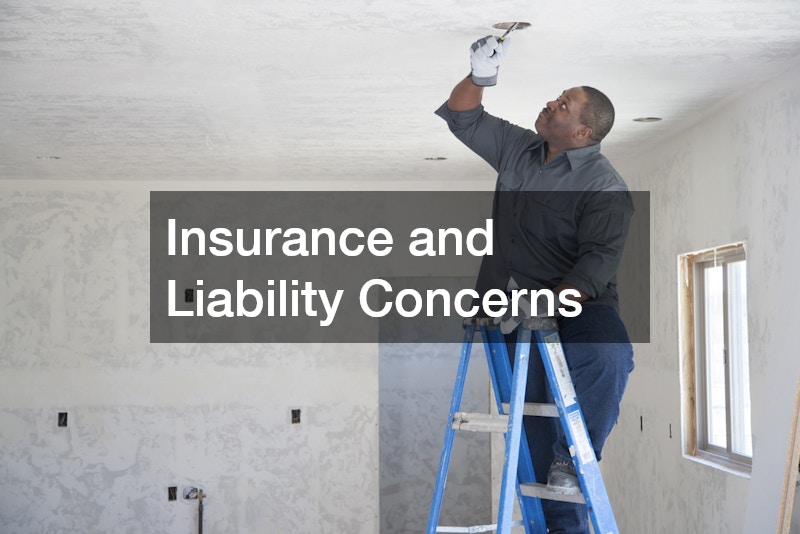
Insurance plays a significant role in managing the risks associated with hiring contractors. Ensuring that contractors carry sufficient insurance coverage protects businesses from potential litigation. This is especially important for high-risk work like commercial roof repair.
Liability can become a major issue when dealing with contractors without proper insurance. For instance, if a roofing contractor lacks liability insurance, any damage or accidents occurring on your property could hold you financially responsible. This highlights the importance of verifying insurance before work begins.
Furthermore, commercial waste management services engaged for a project typically require liability insurance. This protects both the contractor and the business should any incidents arise during the waste disposal process, preventing unnecessary legal complications.
Moreover, verifying the validity of insurance documentation is crucial. Insurance coverage must be reviewed to confirm its alignment with the scope of work and risk level. Such diligence can prevent financial losses and ensure legal conformance, protecting businesses amid varying contractor engagements.
The ramifications of insufficient coverage are extensive. Should an insurance policy fall short, businesses might shoulder legal proceedings and fund compensation. Ensuring comprehensive coverages like workers comp law and liability insurance fosters a secure operational environment.
Regulatory Compliance and Safety Standards
Adhering to safety regulations and compliance requirements is crucial for businesses hiring contractors. Ensuring that contractors follow environmental, health, and safety laws minimizes the risk of violations and subsequent fines. Contractors like those involved in commercial roofing are bound by specific industry regulations.
Compliance with safety standards, such as those taught in fall protection trainings, reduces workplace accidents. It is vital for businesses to verify that contractors are trained and certified to meet these standards, preventing potential legal issues stemming from accidents on the job site.
Contractors like elevator repair companies must adhere to strict safety protocols due to the inherently risky nature of their work. Businesses should ensure that these contractors comply with safety standards to protect both their employees and the general public.
The implications of regulations extend beyond safety. Environmental compliance is pivotal for operations involving the use of hazardous materials or waste management. Engaging in activities without proper regulatory adherence can lead to costly penalties and damage corporate reputation.
Updating and refreshing safety protocols is essential in dynamic industries like commercial roofing where methods and materials continuously evolve. Contractors must remain informed and compliant as new technologies and regulations emerge, significantly minimizing risks associated with non-compliance.
Impact of Workers’ Compensation and Labor Laws

Workers’ compensation laws are integral when hiring contractors, as they outline responsibilities and liabilities in the event of a workplace injury. Understanding the implications of these laws will help prevent disputes and financial strain. Businesses must confirm whether contractors are covered under workers comp law.
Sometimes, contracting work may inadvertently cause businesses to be liable for injuries if the contractor lacks proper coverage. For instance, if an excavating contractor without adequate coverage is injured, the business might face legal challenges. Clarifying these elements in the contract can limit liabilities.
Additionally, keeping abreast of changes in labor laws ensures that businesses remain compliant. Whether working with contractors for commercial waste management services or other sectors, staying informed helps protect the business from unforeseen legal consequences.
Regular reviews of workers’ compensation policies with contracted firms ensure all parties are shielded from unexpected incidents. Businesses must check these policies align with jurisdiction-specific workers comp law, furnishing peace of mind during project’s high-risk phases.
Emphasizing training and awareness about labor laws for in-house legal teams working with contractors guarantees systemic compliance. Understanding aspects like workers compensation, wage rules, and labor rights promotes a balanced environment plus secure operational contracts.
Managing Liability and Risk through Effective Contracts
Well-crafted contracts can alleviate much of the risk associated with hiring contractors. By clearly defining the duties and liabilities of a roofing contractor, for example, businesses can preempt many common legal issues. Specifying roles concerning commercial roof repair and general obligations is paramount.
Contracts should also address indemnity clauses and liability insurance coverage. This ensures that both parties understand who is liable in the event of a premises liability accident or other issues. Thorough contracts act as a protective measure and legal safeguard.
When hiring services requiring specific skills, such as elevator repair companies, including detailed safety protocols in contracts assures compliance with legal standards. This not only minimizes risk but also reinforces safety and quality assurance in contractor engagements.
Specifying arbitration or mediation methods in conflict resolution terms can ease contractual friction from escalating into court disputes. Effective resolution pathways streamline addressing disputes efficiently and minimize financial or legal drain on business resources.
Periodic collaboration reviews ensure contract terms remain relevant and transparent, adjusting for market shifts and strategic business goals. By fostering open dialogue through contracts, businesses strengthen their relationships with contractors, facilitating harmonious and legally sound engagements.
Financial Considerations and Budget Impacts

Budget planning is essential when engaging contractors, as proper allocation determines control over project costs and resource management. Hiring specialized services like roofing contractors or commercial waste management services requires preemptive financial planning.
Cost variations can significantly impact a project’s bottom line, particularly if additional services or emergency tasks arise. Contracts should account for such contingencies, offering flexibility in managing funds without exceeding financial projections.
Regular financial audits of contracting expenses ensure fiduciary responsibility and transparency. These audits inform management about spending efficacy and enable adjustments to mergers between project goals and fiscal frameworks.
Assessing return on investment in terms of the services provided by contractors is paramount. This involves analyzing the added value brought by specialized services like commercial roofing or elevator repair, ensuring that the financial investments align with business goals and customer satisfaction metrics.
Financial planning for contractor engagements also includes evaluating potential revenue impacts from delays or inefficiencies. These aspects fall under risk management strategies, which are essential in controlling budget slippage and maintaining project workflow continuity.
Risk Assessment and Evaluation in Contractor Engagements
Conducting thorough risk assessments before hiring a contractor can mitigate unforeseen challenges. Evaluating the contractor’s past performance and safety record provides insights into potential risks.
An effective risk assessment includes evaluating accident histories, adherence to safety protocols, and compliance with regulations. This process helps businesses select contractors that align with their safety and operational standards.
Risk evaluations should also extend to financial and operational stability to anticipate and prevent disruptions in contractor services. Regular reviews promote proactive management to maintain seamless operations.
Incorporating technological assessments within risk evaluations can enhance decision-making. Leveraging digital tools enables real-time monitoring of contractor safety practices and compliance adherence, reducing uncertainty and increasing responsiveness during projects.
Implementing periodic risk review meetings ensures a continuous alignment between contractor performance, project expectations, and potential external changes. This strategy supports adaptable business methodologies, accommodating unpredictable circumstances efficiently.
Technological Integration and Innovation with Contractors

Leveraging technology in engaging contractors can enhance communication, project oversight, and performance monitoring. Digital platforms ensure transparency and real-time updates, which streamline project management.
Technology also facilitates efficient scheduling and resource allocation. Contractors can use project management tools to keep track of timelines and responsibilities, ensuring alignment with contractual obligations.
Innovations such as augmented reality or virtual reality for training enhance skills and compliance with safety standards like fall protection training. Businesses benefit from improved contractor capabilities, leading to safer and more efficient project executions.
Digital integration fosters a collaborative workplace environment. Real-time communication tools enhance the synergy between businesses and contractors, ensuring timely decision-making and efficient resolution of emerging issues.
The adoption of IoT (Internet of Things) devices in monitoring contractor equipment enhances operational reliability. By employing smart technology, both performance and maintenance status can be monitored consistently, reducing downtime and improving the quality of service delivery.
Ensuring Legal Prudence in Contractor Relationships
Carefully navigating the legal landscape when hiring contractors is essential for protecting your business. From maintaining compliance with workers comp law to ensuring insurance coverage for any premises liability accident, each aspect demands attention.
By ensuring proper classification, crafting detailed contracts, and verifying compliance and safety measures, businesses can mitigate risks. Contractors, be they an asphalt paving contractor or involved in commercial waste management services, come with unique legal considerations that need deliberate oversight.
Legal prudence ensures not just compliance but also protects the business from financial and operational disruptions. Therefore, when your business next decides to hire a contractor, approach the process with thoughtful preparation and diligent legal consideration to ensure smooth, conflict-free relationships.