

All-in-One Guide to Property Comfort, Structural Protection, and Vehicle Performance Services
Introduction
Maintaining a comfortable home, protecting your property’s structural integrity, and ensuring your vehicle performs reliably are deeply interconnected responsibilities. While they may seem like separate concerns, they share a common foundation: proactive maintenance, skilled service providers, and smart long-term planning.
Too often, homeowners and vehicle owners respond only when something breaks. A failed cooling system in midsummer, a leaking roof after a storm, or a stalled vehicle during a busy workweek can create financial stress and unnecessary disruption. A reactive approach almost always costs more than preventative care.
This guide provides a comprehensive, practical roadmap for managing the systems that keep your property comfortable, structurally sound, and operationally efficient. From climate control and roofing to engine maintenance and emergency planning, you’ll find actionable steps, inspection checklists, and professional guidance to help you stay ahead of costly repairs.
Schedule Seasonal Climate System Inspections to Maintain Year-Round Comfort
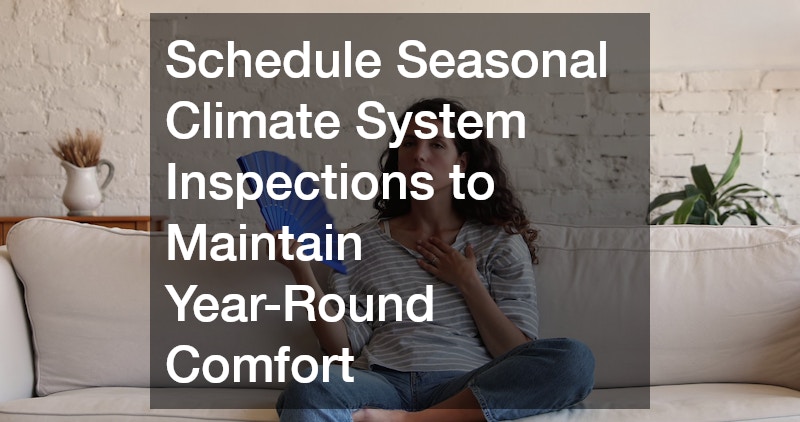
Your heating and cooling systems are central to indoor comfort and energy efficiency. Waiting until extreme weather arrives to address maintenance can lead to emergency repairs and higher service costs.
Working with a qualified HVAC contractor ensures your system is evaluated before peak seasonal demand. Spring and fall are ideal times to schedule comprehensive inspections.
Why Seasonal Inspections Matter
-
Prevent unexpected breakdowns during extreme temperatures
-
Improve energy efficiency and reduce utility bills
-
Extend equipment lifespan
-
Maintain manufacturer warranty requirements
Before summer arrives, contacting a reputable air conditioning company or HVAC contractor can prevent costly downtime. Air conditioners work hardest during the hottest months, so identifying worn components early reduces the risk of compressor failure or refrigerant leaks.
Seasonal Maintenance Checklist
-
Replace or clean air filters
-
Inspect refrigerant levels
-
Clean evaporator and condenser coils
-
Check thermostat calibration
-
Test electrical connections
-
Inspect ductwork for leaks
Dirty filters restrict airflow, causing systems to work harder and consume more energy. Duct leaks can reduce efficiency by up to 30%, especially in older homes.
Additional Tips for Energy Efficiency
-
Install a programmable or smart thermostat
-
Seal gaps around doors and windows
-
Add attic insulation
-
Keep outdoor condenser units clear of debris
Preventative servicing helps avoid emergency repairs during peak demand seasons when appointment availability may be limited and rates higher.
Upgrade Heating Systems Before Cold Weather Hits
When temperatures drop, a reliable heating system becomes critical for both comfort and safety. Ignoring warning signs of system decline can result in sudden failure during the coldest days of the year.
If your current unit is aging or inefficient, scheduling furnace installation before winter ensures you’re prepared.
Signs Your Heating System May Be Failing
-
Uneven heating throughout the home
-
Frequent cycling on and off
-
Rising energy bills
-
Unusual noises
-
Yellow burner flame (instead of blue)
Modern high-efficiency systems offer significant benefits:
-
Lower fuel consumption
-
Improved indoor air quality
-
Reduced carbon emissions
-
Quieter operation
What to Expect During Installation
-
Removal of the old unit
-
Inspection of ductwork
-
System sizing calculations
-
Installation of new thermostat
-
Final performance testing
Proper sizing is essential. An oversized unit cycles too frequently, while an undersized system struggles to maintain comfort.
Annual Heating Inspection Checklist
-
Clean burners and heat exchangers
-
Inspect venting systems
-
Test carbon monoxide detectors
-
Check blower motor performance
-
Verify gas connections
Proactive heating upgrades improve safety, efficiency, and reliability when you need it most.
Protect Your Roof to Prevent Costly Structural Damage

Your roof serves as the primary barrier between your home and the elements. Even small vulnerabilities can allow water intrusion that damages insulation, framing, and interior finishes.
Scheduling inspections with a reputable roofing company helps identify potential issues before they escalate.
Warning Signs of Roof Problems
-
Missing or curling shingles
-
Dark streaks or moss growth
-
Sagging areas
-
Water stains on ceilings
-
Damaged flashing around vents
Seasonal maintenance is critical, especially after heavy storms.
Roof Maintenance Best Practices
-
Clear debris from valleys
-
Clean gutters and downspouts
-
Inspect flashing around chimneys
-
Check attic ventilation
-
Trim overhanging tree branches
Poor ventilation can trap moisture and heat, accelerating shingle deterioration.
Why Professional Inspections Matter
-
Early detection of hidden damage
-
Documentation for insurance claims
-
Proper safety procedures
-
Accurate repair recommendations
Investing in preventative roof care protects your home’s structure and prevents expensive interior repairs.
Maintain Reliable Hot Water Systems for Daily Comfort
Hot water is essential for bathing, cooking, cleaning, and laundry. A neglected system can fail unexpectedly or operate inefficiently.
Scheduling regular water heater services ensures consistent performance and longer equipment life.
Signs Your Water Heater Needs Attention
-
Rust-colored water
-
Fluctuating temperatures
-
Rumbling noises
-
Leaks around the tank
-
Reduced hot water supply
Sediment buildup inside tanks reduces efficiency and increases wear.
Annual Maintenance Steps
-
Flush sediment from the tank
-
Inspect anode rod condition
-
Test pressure relief valve
-
Check gas or electrical connections
-
Insulate exposed pipes
Tankless systems also require periodic descaling to prevent mineral buildup.
Replacement Planning
Most traditional units last 8–12 years. Planning for replacement before total failure avoids emergency installation costs and potential water damage.
Routine servicing ensures dependable hot water while lowering energy expenses.
Address Glass Damage Promptly to Protect Safety and Visibility

Cracked or chipped glass reduces safety and compromises insulation. Whether in your home or vehicle, addressing minor damage quickly prevents larger problems.
A professional auto glass company can repair small windshield chips before they spread into long cracks requiring full replacement.
Why Immediate Repairs Matter
-
Maintain structural integrity
-
Preserve clear visibility
-
Prevent temperature-related crack expansion
-
Avoid higher replacement costs
Extreme heat or cold can cause minor chips to spread rapidly.
Inspection Tips
-
Check windshield after storms
-
Monitor crack length
-
Inspect window seals for gaps
-
Watch for fogging between panes
In homes, failing window seals reduce insulation performance and increase energy bills.
Insurance policies often cover windshield repairs with minimal cost to the owner, making early action financially wise.
Maintaining glass integrity enhances safety, comfort, and long-term durability.
Keep Vehicles Running Smoothly with Routine Engine Care
Engine reliability depends on consistent maintenance. Neglecting basic service tasks increases wear and reduces performance.
Regular oil change intervals are among the most important maintenance steps for protecting engine components.
Why Oil Maintenance Is Critical
-
Lubricates moving parts
-
Reduces friction
-
Prevents overheating
-
Removes contaminants
Most vehicles require service every 3,000–7,500 miles, depending on manufacturer guidelines.
Additional Engine Care Steps
-
Check coolant levels
-
Inspect belts and hoses
-
Monitor tire pressure
-
Replace air filters
-
Test battery performance
For heavy-duty vehicles, sourcing quality truck parts ensures durability under demanding conditions.
Preventative Maintenance Benefits
-
Improved fuel efficiency
-
Extended engine lifespan
-
Reduced breakdown risk
-
Higher resale value
Maintaining detailed service records supports warranty claims and enhances buyer confidence if selling.
Prepare for Roadside Emergencies with Smart Planning

Even well-maintained vehicles can experience unexpected issues. Having a plan reduces stress and improves safety.
Establishing a relationship with a reliable towing service ensures assistance is available when needed.
When to Call for Professional Help
-
Engine overheating
-
Brake failure
-
Transmission problems
-
Collision damage
-
Electrical failure
Avoid attempting to drive if doing so could cause further damage.
Emergency Kit Essentials
-
Reflective triangles
-
Flashlight
-
Jumper cables
-
First aid kit
-
Bottled water
-
Tire inflator
Membership plans often provide cost savings and priority service.
Proactive planning ensures roadside issues are handled safely and efficiently.
Manage Renovation and Cleanup Projects Efficiently
Home improvement projects generate debris that must be handled responsibly. Whether you’re remodeling a kitchen, replacing flooring, updating landscaping, or completing a major exterior renovation, waste management plays a critical role in keeping the project organized and safe.
Arranging a dumpster rental simplifies waste management during renovations, roofing replacements, or landscaping projects. Instead of making repeated trips to disposal facilities or allowing debris to accumulate on-site, having a designated container streamlines the entire process.
Benefits of Proper Debris Management
-
Maintains a safe job site
-
Speeds project completion
-
Ensures regulatory compliance
-
Reduces clutter
Construction debris can include wood scraps, drywall, shingles, nails, packaging materials, insulation, and old fixtures. Without proper containment, these materials create tripping hazards and can even damage surrounding property. Organized disposal keeps pathways clear and allows contractors to focus on quality work rather than site cleanup.
Choosing the Right Container Size
-
Small projects: 10-yard container
-
Medium renovations: 20-yard container
-
Major construction: 30–40-yard container
Selecting the appropriate size is essential. A container that is too small may require multiple hauls, increasing costs and causing delays. A container that is too large may take up unnecessary space or exceed weight limits. Discuss project scope with the provider to determine the most cost-effective option.
Additional Considerations Before Delivery
- Confirm driveway weight capacity
- Verify local permit requirements
- Plan placement location carefully
- Check prohibited materials list
- Understand weight restrictions
Some municipalities require permits if the container will be placed on a public street. In residential neighborhoods with homeowner associations, additional approval may also be required. Planning ahead avoids costly fines and scheduling disruptions.
Strategic placement improves efficiency. Positioning the container close to the work area reduces labor time and improves safety. However, ensure it does not block access to emergency exits, utility meters, or neighboring properties.
Coordinating disposal logistics prevents delays and improves overall project efficiency. When cleanup is integrated into the renovation plan from the beginning, contractors can maintain momentum and homeowners can reduce stress throughout the project lifecycle.
Create a Comprehensive Maintenance Calendar
Managing property and vehicle systems requires organization. Without a structured plan, small tasks are easily forgotten until they become costly problems. A centralized maintenance calendar ensures that critical inspections, servicing, and replacements occur on schedule.
Steps to Build Your Maintenance Plan
- List all property and vehicle assets
- Assign service intervals
- Set digital reminders
- Track service history
- Allocate annual budget reserves
- Document warranties and expiration dates
- Identify seasonal tasks
Start by creating a master inventory of everything requiring routine attention. This may include heating and cooling systems, plumbing fixtures, roofing components, electrical panels, appliances, vehicles, and outdoor structures. Once identified, assign realistic service intervals based on manufacturer recommendations and environmental conditions.
Sample Maintenance Schedule
Monthly:
- Inspect HVAC filters
- Check vehicle fluid levels
- Test smoke detectors
- Inspect visible plumbing for leaks
- Clean kitchen and bathroom exhaust fans
Quarterly:
- Inspect roofing and gutters
- Check tire condition
- Flush drains
- Test garage door safety sensors
- Inspect exterior caulking and seals
Annual:
- Schedule heating and cooling inspections
- Service water heater
- Perform full vehicle inspection
- Inspect attic insulation
- Check foundation for cracks
Seasonal adjustments can further improve efficiency. For example, spring may focus on exterior inspections and landscaping systems, while fall can prioritize heating preparation and weatherproofing.
Digital tools significantly simplify organization. Calendar apps, maintenance software, or property management platforms can automate reminders and store service documentation. Keeping receipts and reports in one centralized location strengthens warranty claims and simplifies resale documentation.
Budget planning is equally important. By estimating annual maintenance expenses in advance, homeowners and vehicle owners can avoid financial surprises. Setting aside a small monthly reserve creates a financial cushion for inevitable repairs.
Centralized documentation reduces forgotten tasks and supports proactive decision-making. When maintenance becomes routine rather than reactive, systems operate more efficiently, and long-term costs remain controlled.
Choose Service Providers Carefully for Long-Term Value
Selecting the right professionals protects both safety and finances. Service quality directly impacts the longevity of property systems and vehicle components. A thoughtful hiring process reduces risk and increases confidence in completed work.
Questions to Ask Before Hiring
- Are they licensed and insured?
- What certifications do they hold?
- Can they provide references?
- Do they offer warranties?
- Are maintenance contracts available?
- How long have they been in business?
- What is their response time for emergencies?
Licensing and insurance protect homeowners from liability and ensure minimum professional standards are met. Certifications demonstrate ongoing training and industry knowledge. Requesting references provides insight into customer satisfaction and workmanship quality.
Avoid choosing solely based on price. Evaluate experience, response time, and quality of materials. Extremely low estimates may indicate shortcuts, inferior products, or limited expertise. Transparent pricing with detailed written estimates signals professionalism.
Red Flags to Watch For
- Unwillingness to provide documentation
- Large upfront payments without contracts
- Vague or incomplete proposals
- Poor communication
- Lack of physical business address
Long-term partnerships often result in better communication, priority scheduling, and consistent service standards. When professionals become familiar with your property and vehicles, they can identify emerging issues more quickly and make informed recommendations.
Service agreements may provide additional benefits:
- Discounted rates
- Annual inspections
- Priority emergency service
- Extended warranties
- Predictable budgeting
Establishing relationships with trusted providers also reduces stress during urgent situations. Instead of scrambling to find help during a breakdown or structural emergency, you’ll already have vetted professionals available.
Taking the time to research and select qualified providers ensures high-quality results, protects your investment, and supports long-term reliability across all property and vehicle systems.
Conclusion
Property comfort, structural protection, and vehicle performance all rely on consistent attention and thoughtful planning. By committing to preventative maintenance, addressing small issues early, and partnering with qualified professionals, homeowners and vehicle owners can reduce stress and control long-term costs.
From climate systems and roofing to engine care and emergency preparedness, every system benefits from proactive oversight. A coordinated approach ensures that your home remains comfortable, your structure remains secure, and your vehicle remains dependable.
Investing time and resources into organized maintenance today creates lasting reliability and peace of mind for years to come.